

Subscribe for Newsletter
As soon as the EU started to express the will to play a role in security and defence matters (late 1990s), the question was posed of its relationship with NATO as the main defence actor in Europe. Since then, questions have been posed in different countries about what the EU would bring that NATO does not already do.
Ukrainian Central European Forum (UCEF) is a discussion platform bringing together prominent thinkers and pundits from all over the region to spot common challenges and craft common visions for a prosperous Central European future.
The prospects for tighter economic integration with the EU have always been the glue keeping the Eastern Partnership together, disregarding existing political agenda differences
“Ukrainian factor”, a decisive joint counteraction to Russian aggression, which poses a security challenge to the entire system of international law, can also serve as a catalyst for a historical reconciliation between regions, fostering further technological and economic progress.
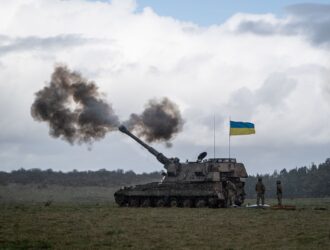
One of the key questions facing NATO on the eve of the 2023 Vilnius summit is whether to offer Ukraine security guarantees, while Ukraine insists that it should be given a clear path to membership.
In an attempt to explore the key trends in the political discourse, and the rationale of the opponents of the earliest possible integration of Ukraine into NATO, the Ukrainian Prism team interviewed experts, former diplomats, and officials from seven NATO member states

Spain’s presidency of the Council of the EU will take place under circumstances that are of crucial importance for Ukraine not only in the light of Russian aggression, but also Ukraine’s advancement towards membership in the European Union.
These recommendations were composed by the team of Russian and Belarusian Studies Program of Ukrainian Prism as a result of their research and expert discussion that took place in Kyiv on 24 May 2023.
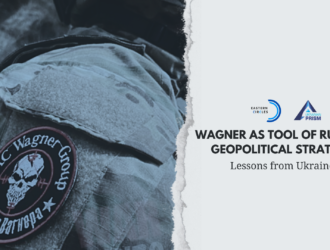
Wagner has gained increasing media attention in the last months due to its growing role in Russia’s war in Ukraine, especially in the frontline battles in the east of the country. How Wagner came about, who is behind it, and how its goals and strategy have evolved since its founding in 2014, are the questions addressed by this report.
Assessment of promotion and enhancing reforms process by the EU in the countries of the Eastern Partnership within priority “Together for resilient, gender-equal, fair and inclusive societies”
This report sums up the result of an opinion poll conducted in Ukraine and 7 countries of Central Europe in October 2022.
Considering the increasing role of digital policy in the EU’s foreign policy, it is important for Ukraine to take best practices from the EU. Ukraine is an advanced digital country but it has not paid enough attention to making its digital policy serve its foreign policy priorities.