


Subscribe for Newsletter
Ukrainian fatigue, the lack of positive image, “Minsk-2” process as both major success and greatest failure
For decades Ukraine has not effectively capitalized on its regional cooperation potential due to its lack of objective conditions, and its political will
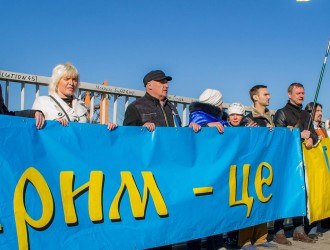
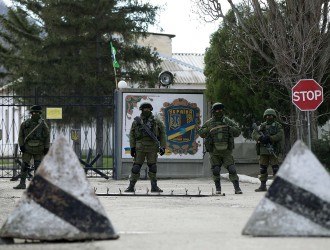
Russia occupied Crimea against the background of a state vacuum in Ukraine and thedisorientation of the new Ukrainian leadership of the post-Maidan period

Although Ukraine has concluded cooperation agreements with all the neighbouringstates, many sensitive issues still remain on the bilateral agenda
Вespite the fact that the most brilliant strategic thinkers were drafting NATO strategic concepts some important threats were overlooked
V4 managed to invent a sort of separate regional identity, distinguishing the group from the long line of countries expressing “European choice” as their priority.
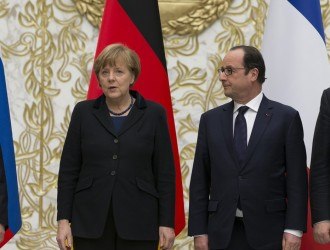
European Councilhas agreed that the duration of the economic sanctions against Russia shall be linked to the complete implementationof the Minsk agreements
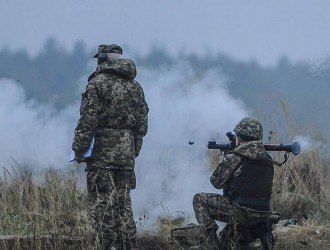
While Kiev considers it a Russian–Ukrainian conflict, Moscow perceives it as a Russian–West confrontation
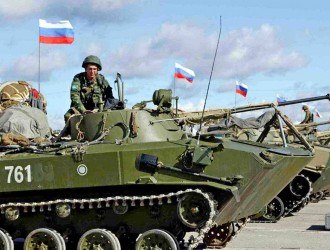
Russia does not clearly outline the perimeter of its vital interests, perhaps in an attempt to preserve some strategic ambiguity for NATO.
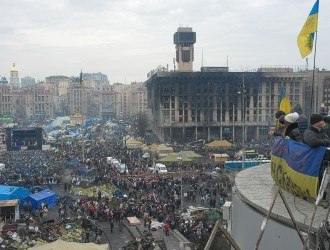
The mobilizing success of the moral shocks is interpreted through introducing the notion of emotional path dependence