

Subscribe for Newsletter
A recent Franco-German initiative of April 2026 proposed to confer a symbolic membership status to Ukraine that would grant institutional presence without voting rights and access to the budget. This latest idea has provoked a backlash in Kyiv as officials fear that this model could become a way to delay full membership.
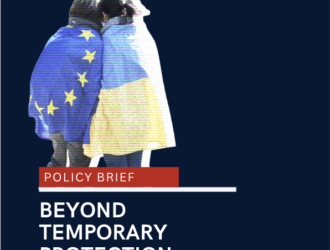
This policy paper is a reflection on the authors’ previous analysis of September 2024 “Looking Beyond Temporary Protection Status for Ukrainians in the EU: State of Play, Scenarios and Recommendations” aimed at evaluating the EU tilt and providing evidence-based conclusions on the recent developments in Ukraine.

This chapter addresses the questions of where NATO–Ukraine relations stand after the NATO Summit in The Hague and whether the summit brought Ukraine’s desired membership any closer.

The central issue remains the preservation of the integration trajectory towards the European Union, which is of key importance not only for Moldova itself, but also for Ukraine and the region as a whole.

Over the past few years, NATO has begun to step out of its traditional Euro-Atlantic confines as member states and partners seek to coordinate their response to security concerns in the Indo-Pacific.

The President, who positions himself as a winner, de facto allowed to outplay himself while running for quick success.

Facing hybrid threats, Ukraine’s Armed Forces were compelled to develop a dedicated CIMIC capability to manage interactions with civilians, authorities, and humanitarian actors in active conflict zones.

Ukraine’s resilience has been driven not only by its military, but also by the mobilization of civil society and the private sector. NGOs, volunteers, and businesses have played a crucial role in humanitarian aid, economic stability, and defense support.

On 18 December 2024, the Nordic-Baltic – Ukraine Forum took place in Stockholm, Sweden, bringing together representatives from Ukraine and the Nordic and Baltic countries.
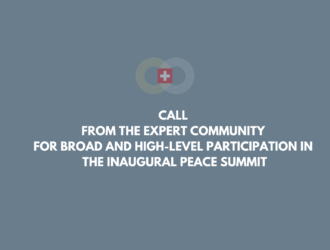
This call is proposed by representatives of Ukrainian think tanks that deal with international security, mediation and conflict resolution. The aim of the call is to draw global attention to Ukraine’s Peace Formula as the most comprehensive blueprint which has potential to lead to sustainable, just and stable peace.
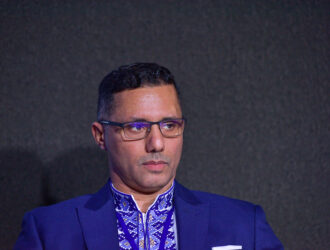
About the similarities between the tactics employed by the Russian army and ISIS, the perception of the Russian-Ukrainian war in the Middle East, and how Ukraine should build a dialogue with the countries of the so-called Global South
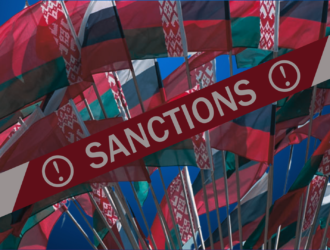
Blocking agricultural trade with Russia/Belarus could at least partly compensate for any potential or observable losses that Polish or other neighbouring farmers believe are caused by exports from Ukraine.