

Subscribe for Newsletter
This call is proposed by representatives of Ukrainian think tanks that deal with international security, mediation and conflict resolution. The aim of the call is to draw global attention to Ukraine’s Peace Formula as the most comprehensive blueprint which has potential to lead to sustainable, just and stable peace.

In this publication, we aim to succinctly illustrate the global scope of Ukraine’s Peace Formula and outline the organizational framework and ongoing proposals for addressing the 10 thematic points of this initiative.

About the similarities between the tactics employed by the Russian army and ISIS, the perception of the Russian-Ukrainian war in the Middle East, and how Ukraine should build a dialogue with the countries of the so-called Global South
Blocking agricultural trade with Russia/Belarus could at least partly compensate for any potential or observable losses that Polish or other neighbouring farmers believe are caused by exports from Ukraine.
On 17th February 2022, Poland, the United Kingdom (UK) and Ukraine agreed to establish a memorandum of understanding to facilitate closer and more structured cooperation between the three countries. Four initial ideas were identified for deeper collaboration: cyber and energy security, countering disinformation, and support for the Crimea Platform.
In recent years, there has been an intensifying political dialogue between Qatar and Ukraine. Qatar is a promising partner for Ukraine in energy, diplomacy – on some aspects of the Ukraine-Russia war, and in the context of wider cooperation with the Arab countries.
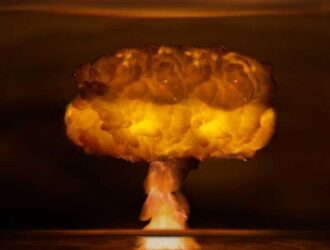
From the very beginning of the full-scale invasion of Ukraine, President Putin has used nuclear rhetoric to create the impression of his own invincibility and to deter any reaction from the West. Putin understands that Russia’s nuclear status opens almost endless opportunities to raise the stakes in the international arena.

The Belarusian democratic forces have achieved certain successes in terms of developing government-like structures and keeping the Belarusian issue on the agenda of European states. To continue further institutionalization and be prepared for the transformation period, there is a need to train a new generation of officials who could take over the state in the future.
This policy brief analyses the conflict situations in relations between Ukraine and Poland that arose, in particular, due to inadequate crisis communication and had an ambiguous impact on these relations.
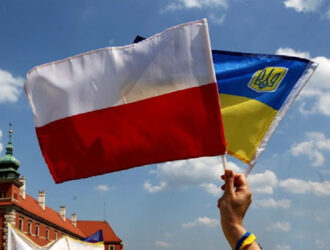
The restoration project of Ukraine has garnered significant interest from numerous foreign partners, with the Republic of Poland holding a prominent position among them
This report highlights the importance of the bilateral relations between Ukraine and Australia in the changing global context and enhancing security threats globally in light of the full-scale Russian aggression against Ukraine. The bilateral relations evolved over several periods.